
Digital Transformation in Shipping: Where to Start
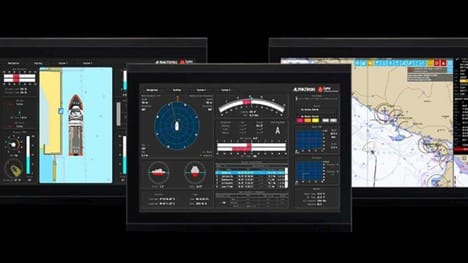
A Practical Roadmap for Modern Maritime Operators
Introduction: Digital Transformation Is No Longer Optional
The shipping industry is under increasing pressure from rising fuel costs, tighter regulations, cybersecurity risks, and growing expectations for operational transparency.
Digital transformation in shipping is no longer a competitive advantage it is a survival strategy.
But many fleet operators ask the same question:
Where do we begin?
Digital transformation doesn’t start with technology. It starts with strategy.
Step 1: Assess Operational Bottlenecks
Before investing in new systems, identify where inefficiencies exist:
- Manual compliance tracking
- Reactive maintenance practices
- Limited vessel visibility
- Fragmented procurement workflows
- Paper-based crew documentation
Map your operational pain points across vessels, departments, and shore teams. Transformation should target measurable inefficiencies first.
Step 2: Centralize Data Into One Ecosystem
One of the biggest barriers in maritime operations is disconnected systems.
Digital transformation requires:
- A centralized fleet management platform
- Unified data visibility
- Integrated compliance oversight
- Financial and operational alignment
When operations, maintenance, procurement, and crew management share data in real time, decision-making improves dramatically.
Step 3: Implement Real-Time Visibility
Visibility drives control.
Modern shipping companies adopt:
- Real-time vessel tracking
- Asset condition monitoring
- Predictive maintenance analytics
- Work & rest hour tracking
- Digital audit documentation
Real-time intelligence allows operators to move from reactive reporting to proactive management.
Step 4: Automate Compliance & Documentation
Regulatory requirements are expanding globally. Manual tracking increases risk exposure.
Digital compliance tools enable:
- Automated certification tracking
- Expiry alerts
- Audit-ready documentation
- Structured reporting dashboards
This reduces administrative workload and minimizes detention risk.
Step 5: Strengthen Cybersecurity & Data Protection
As vessels become more connected, cybersecurity becomes critical.
Digital transformation must include:
- Secure cloud infrastructure
- Access control management
- Data encryption
- Continuous system monitoring
Protecting operational data is as important as protecting physical assets.
Step 6: Empower Crew & Shore Teams
Technology adoption succeeds when people are prepared.
Focus on:
- Digital training platforms
- Structured onboarding processes
- Performance analytics
- Clear change management communication
A digitally enabled workforce accelerates transformation.
Step 7: Scale Strategically, Not Rapidly
Avoid attempting full-system overhauls overnight.
Start with high-impact areas such as:
- Predictive maintenance
- Real-time vessel tracking
- Digital compliance management
- Procurement automation
Build modularly, measure ROI, and scale based on performance improvements.
Common Mistakes to Avoid
- Implementing isolated tools without integration
- Underestimating change management
- Ignoring cybersecurity planning
- Delaying compliance digitization
- Failing to define measurable KPIs
Digital transformation must be structured, measurable, and aligned with long-term fleet strategy.
The Competitive Advantage of Early Adoption
Shipping companies that embrace digital transformation experience:
✔ Reduced downtime
✔ Lower operating costs
✔ Improved fuel efficiency
✔ Stronger regulatory compliance
✔ Greater operational transparency
✔ Enhanced charter reliability
In a tightening global market, these advantages directly impact profitability.
Where aQuafleet360 Fits In
Digital transformation succeeds when technology connects every operational layer.
A unified maritime ecosystem integrates:
- Fleet ERP
- Predictive maintenance
- Real-time vessel tracking
- Crew recruitment & management
- Training and certification oversight
- Procurement automation
- Compliance monitoring
Instead of fragmented tools, operators gain centralized control and actionable intelligence.
Final Thoughts
Digital transformation in shipping is not about adopting the latest technology it’s about building a smarter, safer, and more efficient operational framework.
Start with visibility.
Centralize your data.
Automate compliance.
Integrate intelligently.
Scale strategically.
The future of shipping belongs to operators who act early, think holistically, and build resilient digital ecosystems.